
In today’s fast-paced world, emergencies can happen anytime, anywhere. From cardiac arrests at home to accidents in public spaces, the ability to respond immediately can make the difference between life and death. This is where CPR Training comes into play. While many people think of it as a medical skill reserved for healthcare professionals, it is, in fact, a vital skill everyone should learn.
Understanding why CPR Training is considered one of the most essential modern skills requires looking at its benefits, impact, and practical applications in everyday life.
The Life-Saving Power of CPR
Imagine this scenario: a friend collapses at a family gathering. They are unresponsive and not breathing. Panic sets in. You might feel helpless, but with CPR Training, you can step in with confidence. Performing CPR immediately can double or even triple a person’s chance of survival.
Cardiopulmonary resuscitation (CPR) is a life-saving technique used in emergencies when someone’s heartbeat or breathing has stopped. It keeps blood flowing to vital organs until professional medical help arrives.
Studies consistently show that early intervention significantly improves outcomes. In fact, according to the British Heart Foundation, less than half of cardiac arrest victims receive CPR before professional help arrives. That gap highlights why public knowledge of CPR Training is so critical.
Why CPR Has Become an Essential Skill
1. Everyday Emergencies Can Happen Anywhere
Emergencies do not discriminate. They can occur at work, at home, in public transport, or even during recreational activities. A sudden cardiac arrest can strike anyone, regardless of age or health. By knowing CPR, you become a potential lifesaver in situations that require immediate response.
2. Bridges the Gap Before Medical Help Arrives
Ambulances and emergency services are fast, but they cannot be everywhere instantly. Early CPR can maintain blood flow and oxygen to the brain and heart, providing a critical window until paramedics arrive. This is especially important in rural areas or crowded cities, where response times may vary.
3. Boosts Confidence in Handling Crises
People often hesitate to act during emergencies due to fear of causing harm. CPR Training teaches you practical skills and builds confidence to act decisively. Being prepared reduces panic and increases the likelihood of a positive outcome.
Real-Life Anecdotes That Show CPR’s Importance
Sarah, a teacher from Manchester, once shared how she saved her colleague’s life after he collapsed during a staff meeting. Thanks to her CPR Training, she performed chest compressions correctly while waiting for paramedics. Her quick actions made the difference between life and death.
Stories like Sarah’s are not rare. Each year, countless lives in the UK are saved by ordinary people trained in CPR who step up during emergencies. These anecdotes emphasise why learning this skill is invaluable.
Understanding CPR: A Step-by-Step Guide
Learning CPR might seem daunting at first, but it can be broken down into manageable steps. Even basic knowledge can be life-saving.
Step 1: Ensure the Scene is Safe
Before approaching a person in distress, make sure the environment is safe for both you and the victim. Hazards like traffic, electrical wires, or slippery floors should be avoided.
Step 2: Check Responsiveness
Gently tap the person and ask loudly, “Are you okay?” If there is no response, prepare to start CPR.
Step 3: Call Emergency Services
Dial 999 immediately. Provide clear information about the location, condition, and any relevant details to ensure help arrives quickly.
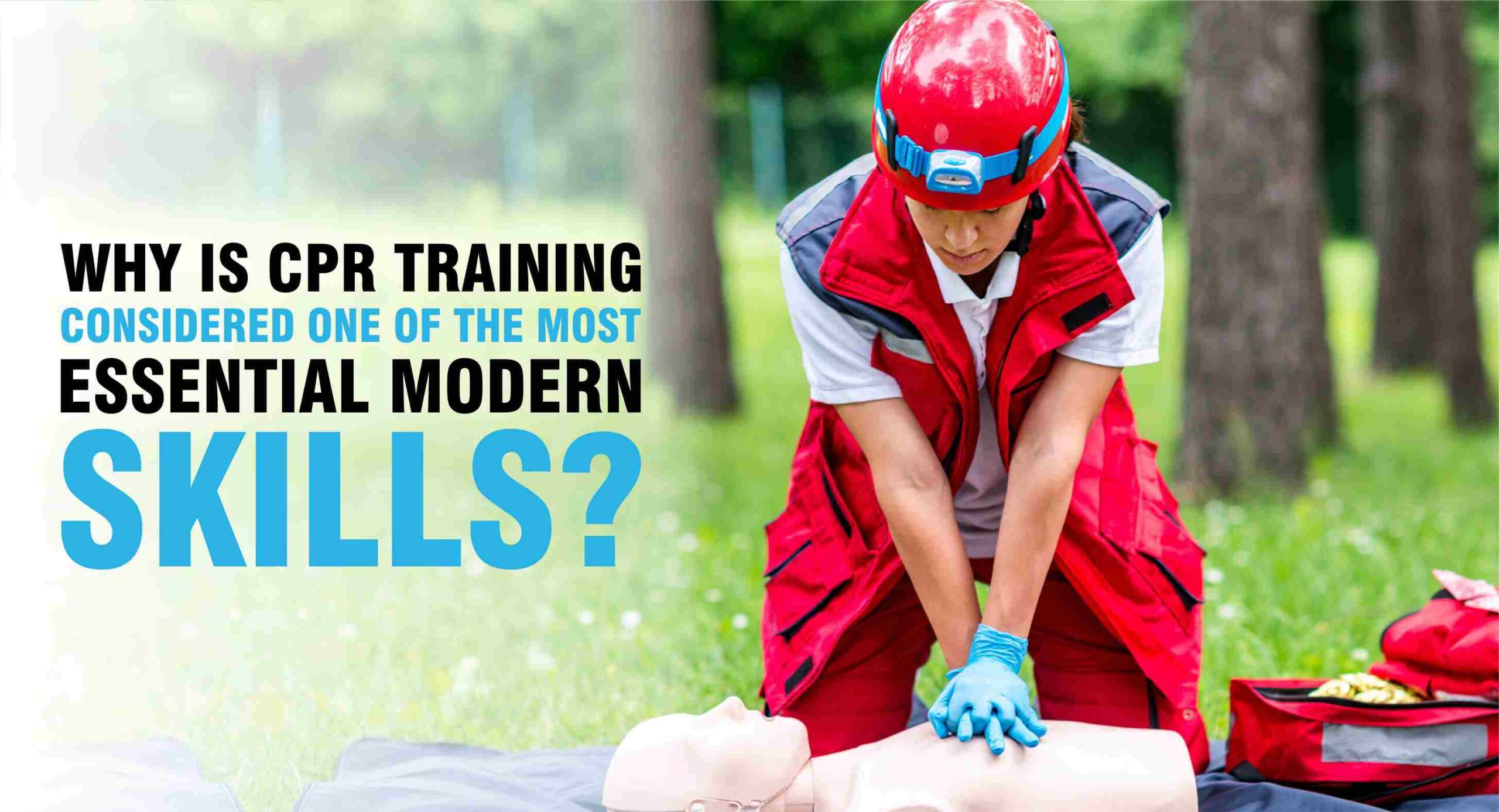
Step 4: Start Chest Compressions
- Place the heel of one hand on the centre of the chest, the other hand on top.
- Press down hard and fast, about 5–6 cm deep at a rate of 100–120 compressions per minute.
- Allow the chest to fully recoil between compressions.
Step 5: Rescue Breaths (If Trained)
- Tilt the head back and lift the chin.
- Pinch the nose and cover the mouth with yours.
- Give 2 breaths, each lasting about 1 second, watching for chest rise.
Step 6: Repeat
Continue cycles of 30 compressions and 2 breaths until the person regains consciousness, medical help arrives, or you are physically unable to continue.
Tip: Hands-only CPR (without rescue breaths) is recommended if you are untrained or uncomfortable giving breaths. It still provides life-saving benefits.
The Wider Benefits of CPR Training
Improves Public Health Outcomes
Communities with higher CPR-trained populations see better survival rates from cardiac arrests. Encouraging more people to learn CPR directly contributes to public health and safety.
Enhances Workplace Safety
Employers who encourage staff to get CPR certified create safer workplaces. From offices to retail stores, having trained personnel can prevent tragedies.
Empowers Individuals
Learning CPR gives people a sense of empowerment. Knowing you have the ability to save a life fosters confidence and resilience in everyday life.
Common Misconceptions About CPR
Myth 1: Only Medical Professionals Should Perform CPR
False. While healthcare professionals are trained extensively, anyone can learn CPR and make a life-saving difference.
Myth 2: CPR Always Requires Mouth-to-Mouth
Not true. Hands-only CPR is highly effective and recommended for untrained individuals.
Myth 3: You Might Hurt the Victim
While chest compressions can sometimes cause rib fractures, the risk is minimal compared to the potential to save a life. Doing nothing is far more dangerous.
Frequently Asked Questions (FAQs)
Q1: How long does it take to learn CPR?
A1: Basic CPR skills can be learned in a few hours through structured courses or training sessions. Practice and refreshers help retain skills.
Q2: Can I perform CPR on children or infants?
A2: Yes, but the technique differs. Compressions are gentler, and breaths are smaller. Separate guidance is available for different age groups.
Q3: Is it safe to perform CPR if the person has a heart condition?
A3: Absolutely. Immediate CPR is crucial regardless of pre-existing conditions. The benefits far outweigh potential risks.
Q4: Do I need special equipment to perform CPR?
A4: No equipment is required for basic CPR. However, automated external defibrillators (AEDs) significantly increase survival rates and should be used if available.
Q5: How often should CPR skills be refreshed?
A5: It is recommended to refresh skills every 1–2 years to stay confident and updated with the latest techniques.
Conclusion
In the 21st century, CPR Training is more than just a medical skill—it is a crucial survival tool. Emergencies can happen without warning, and knowing how to respond saves lives, builds confidence, and contributes to safer communities.
Whether at home, work, or in public, learning CPR empowers individuals to act decisively in critical moments. The stories of everyday heroes highlight that life-saving actions often come from ordinary people with extraordinary skills. By taking the time to learn CPR, you equip yourself with one of the most essential modern skills—a skill that can truly make the difference between life and death.